

My Father’s Rolex
A watch bearing the hierophany of the wearer’s soul

Deep gratitude to my longtime Chitown friend and AV expert, Chris Martell, for helping me clean up the vocal recording.
In the mid-twentieth century — prior to globalization, technological automation and mass production — Rolex watches were renowned as reliable and robust timepieces, representing rugged masculinity. Sadly, many today, ravenous for status and external displays of exceptionality, dismiss the prestige of luxury watches like Rolex as nothing more than the calculated illusion crafted by sophisticated marketing agencies.
When I returned home for the holidays, I brought my TAG Heuer watch to have its battery replaced. My parents accompanied me to the small repair shop our family had depended on for nearly twenty years, a place that appeared to resist time itself, as though change had simply passed it by. We also went to see an old friend, Frank, who, even after decades, labored on beside his wife and son in the same inconspicuous strip-mall, faithful to a craft that has been over-shadowed with silicon and software.
As we stood waiting, I asked my father why he no longer wore his Rolex. He hesitated, empty eyes searching mine, and then asked, earnestly, which Rolex. After several desperate attempts to summon remembrance, it became clear that he seemed to have no recollection of his cherished chroniker. It became impossible to ignore that my father’s memory had slipped significantly in the brief three months since my visit in September.
My heart stuttered out of rhythm as I realized he may have lost the treasured timepiece, and with that came a sobering shock: the rocksteady man I had known and relied upon my entire life might now be lost forever, present in body, but no longer in mind.
To witness the waning of one’s parents is to drown in a grief language cannot capture. The passage of time appears mercifully stable, almost static, until suddenly it is not, until one day it reveals what is already lost. And in that moment, you know that you are now alone in the world, met only by the fathomless emptiness of their absence, the merciless finality of life yielding to time.
When we returned home, I immediately went searching for the watch. With each passing second that I failed to find it, my pulse seemed to accelerate exponentially. Then I remembered, his nightstand, where he once kept his watches. I opened the drawer, and buried beneath scattered papers and other items, lay the silver-colored chronograph, its thick crystal guarding the mechanized marvels of memory.
I felt a wave of relief as I fastened the watch around my wrist. In that instant, I heard a cacophony of voices, soft and spectral, ones that haunted me as a child.
I have much to learn.
You must be disappointed. I haven’t grown into the man you raised me to be.
I just wanted to show you I could do it, that I could brave like you.
I failed. I feel like every time I do something right I do something wrong.
All I ever did, I did was to make you proud. Tell me how you proud you are.
I want you to be proud of me.
Someday perhaps, I shall make you proud.
Seeing the second hand stalled, I seized the watch and shook it with desperate force, as though delivering an electric shock to a suspended heart, and like clockwork the self-winding Rolex revived itself.
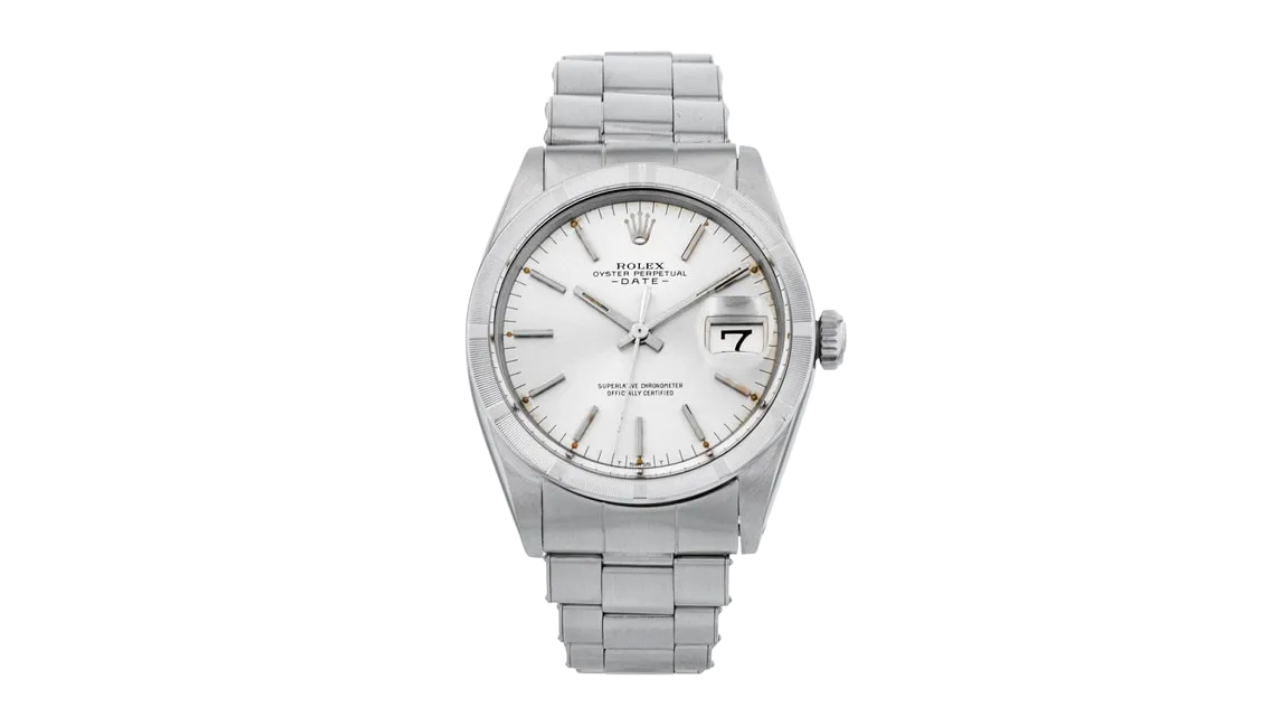
Growing up, I fondly remember my father wearing his Rolex, on his wrist while skiing, while working in his tailored Brooks Brother suits, and even just as faithfully during life’s mundane moments. He would recount the same story to friends, family, and even strangers alike: how, while serving in the Vietnam War, he had fortuitously acquired the watch in Hong Kong for less than $100.
I cannot recall a time when the chronometer did not look weathered, worn and as if in need of repair. Long before I understood horology, I sensed something exceptional in the time pieces: the precision of its engineering, the devotion to meticulous craftsmanship, the remarkable durability of the metallokinetic alloy steel, the beauty that never begged for attention. Instinctively, I understood what a Rolex represented: class and distinction, care and elegance, reliability, a world-class reputation that has not merely endured decades of global commoditization, but has grown richer and more revered with time.
There are few material possessions that I regard as truly invaluable, objects whose value has increased not merely monetarily but more sentimentally with the slow maturation of my soul. My father’s Rolex is one such rarity, its worth incalculable and beyond price. The watch ceased to be a mere accessory and became something more transcendent: a family sigil, an heirloom encoded with the wisdom of its wearers, gravitationally intertwining one generation with the next through time itself.
What gives my father’s Rolex meaning is not the object itself, but the character of the custodian.
When I need it most, I hear his tough love and quiet counsel, and I feel the sincerity, care, and compassion living within his intention.
The world ain’t all sunshine and rainbows.
You’re going to be tested.
It’s a very mean and nasty place, and I don’t care how tough you are, it will beat you to your knees and keep you there permanently if you let it.
It’s not going to easy, son
You, me or nobody
You will stay who you are.
is going to hit as hard as life.
Think of others before yourself.
it’s about how hard you can get hit and keep moving forward, how much you can take and keep moving forward. That’s how winning is done. Until you start believing in yourself, you’re not going to have a life.
A good man.
You’ll make a great leader someday.
You’ve already made me proud.
I find myself, more and more when I return home, walking beside my father on our daily path along the beach, overtaken by the urge to reach out and hold him, to close my eyes and arrest time itself. As though in that embrace I might command the physics of the universe, reclaiming every moment of childhood joy. That I might keep him from perishing, preserve the fragile sanctuary of knowing he is still alive and capable of uplifting me when I fail. For he has been the one person who I felt truly saw me — the flawed, the fallible, and also the best in me — my entire life.
Time may claim my father’s mind but not his enduring life force, his wisdom and my experiences of unassailable sense of safety I once felt in his presence, which now resides within a relic resting upon my wrist, representing the life he lived: strength refined with softness, discipline illuminated with empathy, decisiveness tempered with openness, selfishness balanced with selflessness, integrity enhanced with grace, charisma grounded in authenticity, confidence that honors humility, a soldier of fortune, and a lover of life.
All I must do to commune with his spirit, is return to that quiet, consecrated chamber within my heart, where his eternal love still lives.
I’m always going to love you, no matter what. You’re my son and you’re my blood. You’re the best thing in my life.
You’ll be different, sometimes you’ll feel like an outcast but you’ll never be alone.
All that I have, all that I’ve learned, everything I feel, all this and more I bequeath to you, my son. You will carry me inside you, all the days of your life.
You will make my strength your own, see my life through your eyes, as your life will be seen through mine. The son becomes the father and the father the son.
I miss you son. I miss you too Dad.
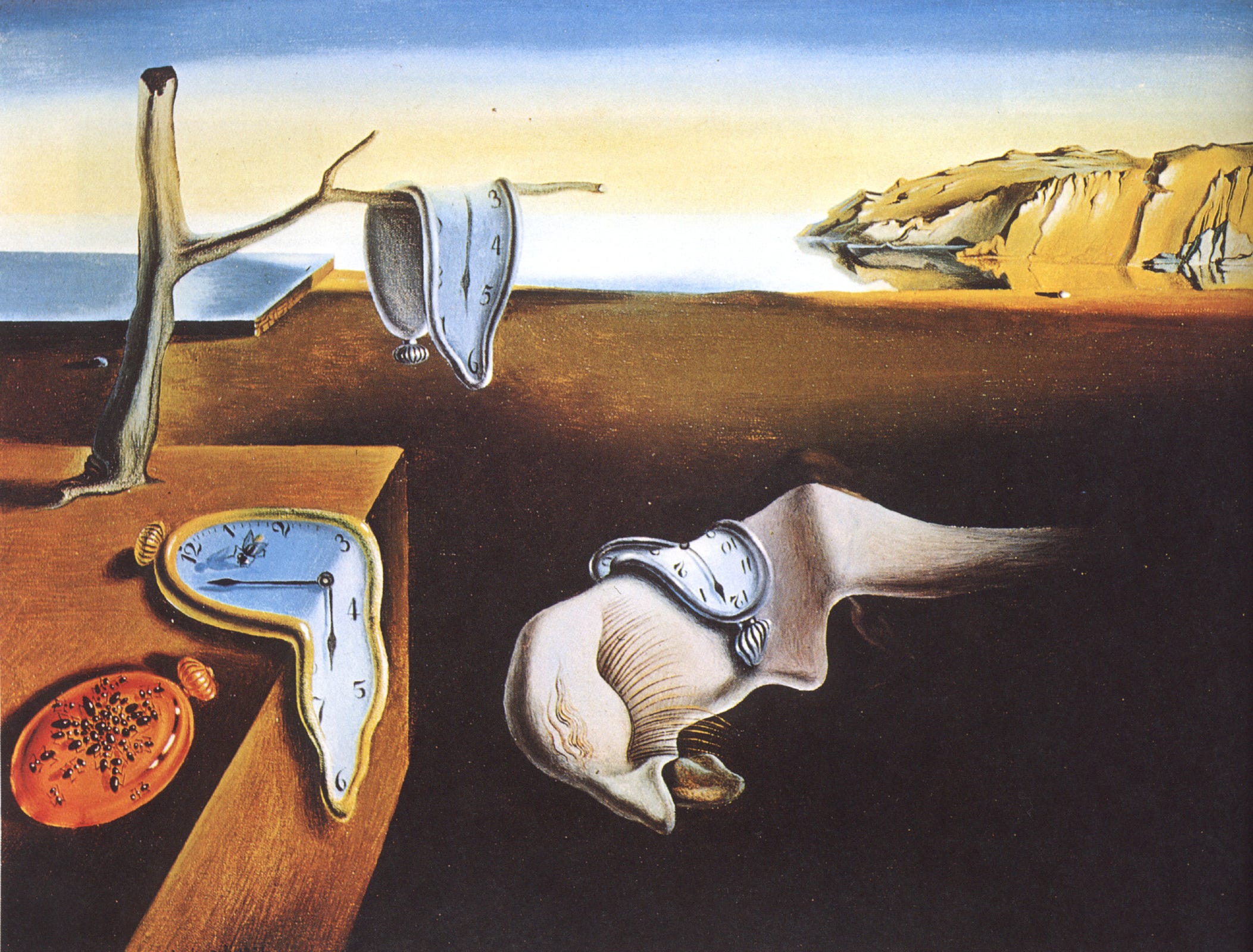
So beautiful! This paragraph is lovely and so heartbreaking:
To witness the waning of one’s parents is to drown in a grief language cannot capture. The passage of time appears mercifully stable, almost static, until suddenly it is not, until one day it reveals what is already lost. And in that moment, you know that you are now alone in the world, met only by the fathomless emptiness of their absence, the merciless finality of life yielding to time.
You have such a way with words ♥️